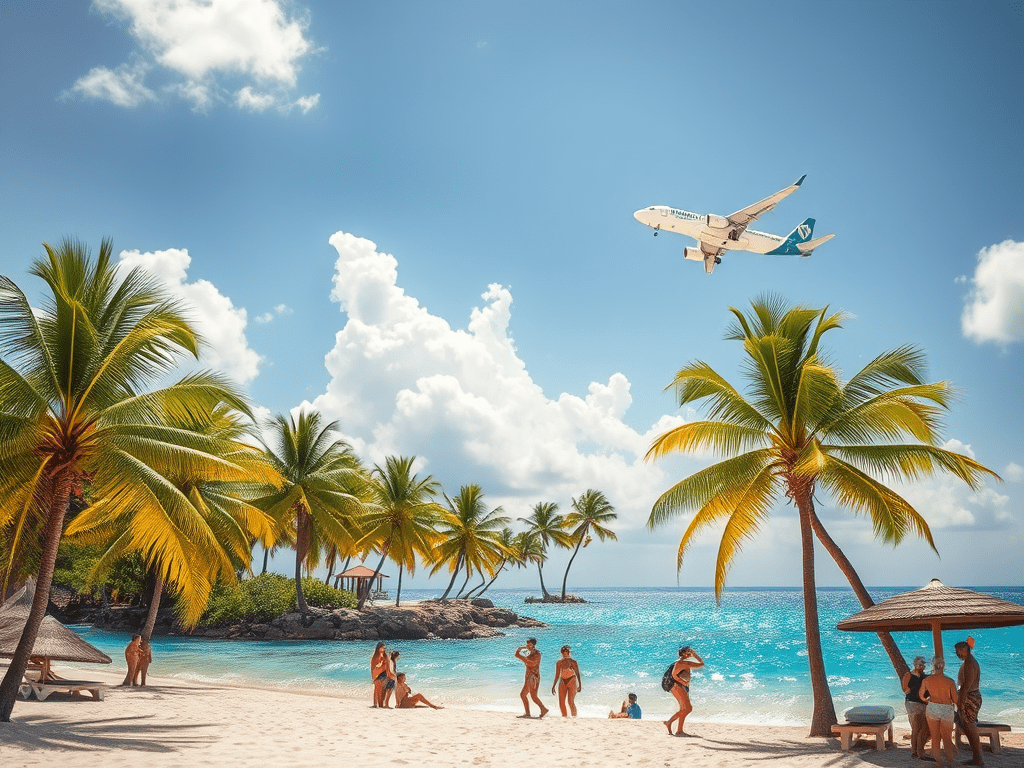



Moving to the Dominican Republic as a foreigner can be an exciting and enriching experience. This Caribbean nation, known for its stunning beaches, vibrant culture, and welcoming people, offers a unique lifestyle that attracts many expats from around the world. Whether you are seeking a relaxed retirement, a new career opportunity, or simply an adventure in a tropical paradise, the Dominican Republic has much to offer. Before making the move, it is important to understand the practical aspects of living in this diverse and dynamic country. From navigating the residency process and finding suitable housing to embracing the local culture and adapting to the tropical climate, being well-prepared will help ensure a smooth transition to your new life in the Dominican Republic. Here are the most important questions we get from out clients.
1. Visa and Residency:
- Tourist Visa: Canadians and Americans can enter the Dominican Republic without a visa for stays up to 30 days. This can be extended for an additional fee.
- Residency: For longer stays, you’ll need to apply for temporary or permanent residency. This process can be complex and may require a lawyer.
2. Cost of Living:
- The cost of living in the Dominican Republic is generally lower than in Canada and the United States. However, it can vary significantly depending on the location and lifestyle.
3. Healthcare:
- The Dominican Republic has both public and private healthcare systems. Private healthcare is generally better quality but can be expensive. Consider health insurance to cover medical costs.
4. Language:
- Spanish is the official language. While English is spoken in tourist areas, learning basic Spanish can be very helpful.
5. Safety:
- Like any country, safety can vary by region. It’s important to research and choose a safe area to live in. Avoiding high-crime areas and being aware of your surroundings is crucial.
6. Housing:
- There are many options ranging from city apartments to beachfront properties. It’s advisable to rent before buying to get a feel for different areas.
7. Transportation:
- Public transportation is available but can be unreliable. Many expats choose to buy a car. Note that driving can be challenging due to local driving habits and road conditions.
8. Employment:
- Job opportunities for foreigners can be limited. Many expats work remotely or start their own businesses. Teaching English is also a common option.
9. Culture and Lifestyle:
- The Dominican culture is vibrant and diverse, with a strong emphasis on family and community. Embrace local customs and be respectful of cultural differences.
10. Legal Considerations:
- Familiarize yourself with local laws and regulations. Hiring a local attorney can be helpful for navigating legal matters.
11. Climate:
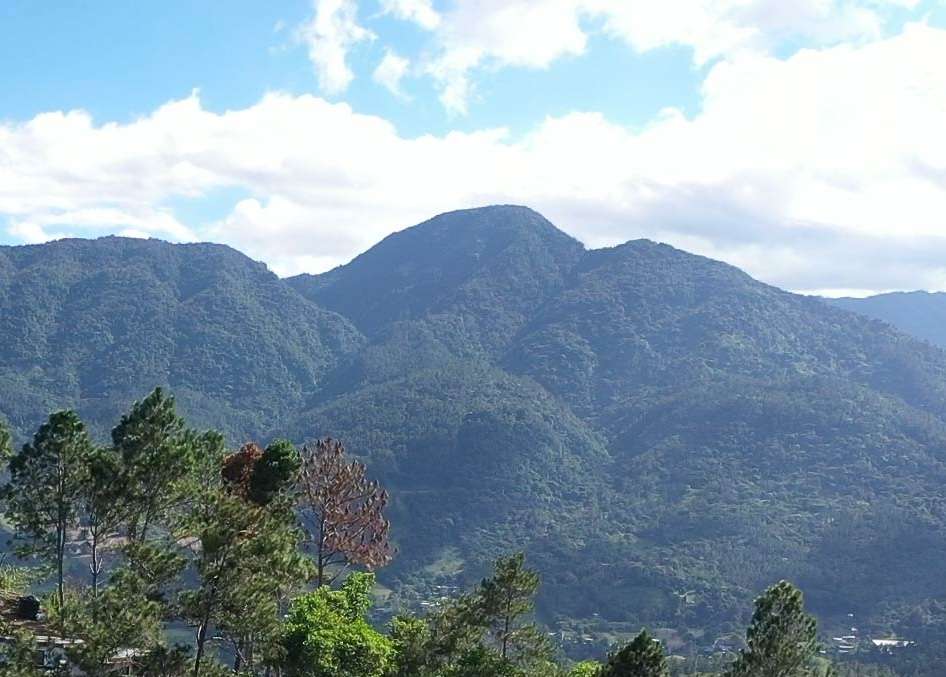
- The Dominican Republic has a tropical climate, with a hurricane season from June to November. Be prepared for warm temperatures year-round and occasional severe weather. That said the Dominican Republic is also home to the tallest mountains in the Caribbean. The weather throughout the year is cooler than the coastal regions being able to live a more natural lifestyle where you have abundance of water and great weather to grow your food year long while having enough space to have your animals.
12. Banking and Finances:
- Opening a local bank account can make managing finances easier. Be aware of currency exchange rates and international banking fees. All money coming into the island that goes to a bank must have proof of where its coming from. Be prepared to show bank statements and all origins of your financial history.
13. Education:
- If moving with children, research schools carefully. There are both public and private options, with some private international schools offering curricula in English and international accreditations. The best schooling districts are Santo Domingo, Santiago, Jarabacoa, Punta Cana, Puerto Plata, and Sosua.
14. Community and Support:
- Join expat communities and local social groups to build a support network. These groups can provide valuable advice and assistance.
15. Internet and Communication:
- Internet service can be variable depending on the location. Major cities and tourist areas generally have good connectivity. If no WIFI is available Star Link is an option.
16. Pet Relocation:
- If you have pets, research the regulations for bringing animals into the country. Health certificates and vaccinations are typically required.
Resources for Moving:
- Us : We work with many international clients in helping them make their transition to the Dominican Republic as effortless as possible. Our network of trusted partners cover all relocation processes from immigration, financial, legal, lifestyle, moving and finding your new home.
- Government Websites: The Dominican Republic’s embassy websites for Canada and the U.S. can provide official information on visas and residency.
- Books and Guides: There are many books and online guides about living in the Dominican Republic that can provide detailed information and personal experiences.
- Expat Forums: Websites like Expat.com or Expat Exchange offer forums where you can ask questions and get advice from people who have already made the move.
Moving to the Dominican Republic can be a rewarding experience with proper preparation, research and guidance. If you have any questions or need assistance in this process don’t hesitate to contact us. We speak English, Spanish, French and Portuguese.
4o